How AI Music Brought Me Back — And Why I Finally Sang
For 25+ years, I only sang in private. Then AI music interpreted my lyrics and direction notes into real songs, and everything changed. This is the story of how a shy, reserved guy returned to music—and ended up releasing an album in his own voice and brought This Long Broken Road to the world.
Before AI: A Private Voice
For most of my life, music lived behind closed doors. I sang in the car. I sang in the shower. I sang when nobody could hear me and nobody could judge me. I wrote lyrics, imagined melodies, and carried stories that felt too heavy to speak out loud—then kept them to myself.
And don't get me wrong: I wasn't a natural-born vocalist. I may or may not be a good singer now (everyone can decide for themselves), but I can say that I think I'm better than I used to be, which is the preferred direction!
I've always loved music, but I've always had doubt and a lack of self-confidence when it comes to singing. Even now, I have my doubts. I'm in a better place and have grown more confident, but I don't think that doubt will ever leave completely.
“Music was mine, and only mine. I could feel it—without ever letting it be heard.”
The Intoxicating Moment: Hearing My Songs Become Real
After two decades of watching technology accelerate, the rapid advancement of AI tools hit me like a wave. Suddenly, I could take my lyrics and direction notes and hear them come back as real music—not just an idea in my head. It was immediate. Emotional. Addictive.
Once you hear your own story sung back to you with conviction, it grabs you. I thought I was experimenting. The truth is: the songs took control of me.
“I didn’t just hear a track. I heard the thing I’d been carrying for years finally take a breath.”
Dawson McCoy: The First Voice
That momentum spawned Dawson McCoy—the AI persona I used for my first album. Dawson isn’t “random AI vocals.” He’s an interpretation of my vocal blueprint, as if I were classically trained and studio-perfect: steady, polished, emotionally precise.
Dawson became the voice that matched what I heard in my head, take after take, with a consistency I didn’t believe I could deliver publicly. Even when my guide recordings didn't sound terrible, I still didn't think that anyone would ever want to hear my terrible voice, and I didn't think I could reveal myself emotionally in my vocals.
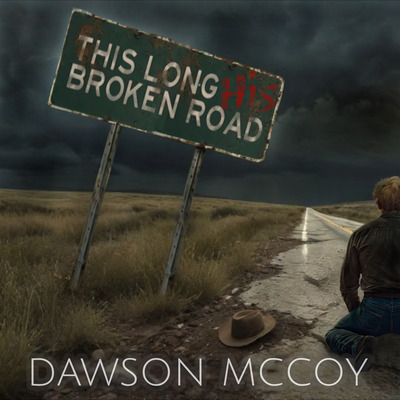
“Dawson sounded like the version of me I always wished existed on a recording.”
Sadie McCoy: A Second Perspective
As the project grew, I realized some songs would carry a different weight with female vocals—not just higher notes, but a different kind of strength and tenderness. That’s when Sadie McCoy became part of the project.
Same songwriting. Same emotional intent. A new lens. A second road.
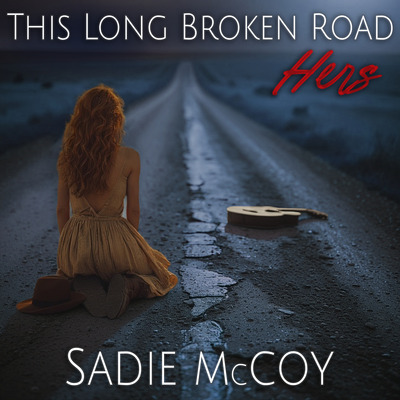
“Dawson brought grit and weight. Sadie brought lift and warmth. The songs stayed true—just colored differently.”
AI Isn’t Perfect: The DAW Phase
The more I cared, the more I heard the imperfections. AI music can be brilliant, but it can also be messy: artifacts, strange edges, moments that distract from the lyric. I couldn’t ignore that if I wanted “release quality.”
That’s when I started learning audio production—first in Audacity, later in REAPER. What began as “cleaning up AI tracks” turned into learning how to actually produce music: noise reduction, EQ, dynamics, ambience, and the discipline of critical listening.
The Unthinkable Test: My Own Voice
Somewhere between EQ curves and subtle reverb, I started experimenting with my own vocals. The music took me there for two reasons: curiosity and a desire to cover songs that I love, the latter of which requires a human performance by law and out of respect—I figure that, if artists want AI versions of their music to be released, they'll release it themselves without my help!
But I hated the sound of my voice my whole life. I expected embarrassment. I expected to delete the takes. I deleted some of them, but trust me, not even I wanted to hear those again!
I kept going, though. With a little noise reduction, a little EQ, and just enough space to let the performance breathe… it wasn’t horrible. It sounded like a person. Like a storyteller. Like someone who had lived what he wrote.
And that brought back the real questions I’d avoided for years: Can I do this? Should I do this? Will people hate my voice? Am I good enough? Can I handle criticism if I put my darkness out in public?
“I didn’t suddenly love my voice—but I stopped believing it had to be hidden. I got past feeling like I had the worst voice in the world, which was an important step.”
The Karaoke Bar: First Time Singing in Front of Anyone
One night in 2025, I sang karaoke for the first time in front of other people. I expected polite smiles. What I got was genuine positive reactions—even from sober people. That surprised me more than it should have.
But singing karaoke in front of people with access to alcohol didn't seem like the best or only proving ground on which I should base any serious decisions. After all, karaoke bars have a sort of unwritten rule: you can boo a karaoke singer, but you had better be very good or not get up to sing because vengeance is bitter and swift.
No, there are other ways to really set yourself up for punishment and brutality: sharing something deeply personal with the Internet public.
“They didn’t punish me for being heard.”
The Internet Trial: Posting to Reddit
The true test came later. After recording This Long Broken Road, I posted it to Reddit for reactions. Not to chase compliments—to test reality. Reddit is famously harsh when something doesn’t land.
Instead of getting destroyed, I was humbled by the encouragement. People heard the emotion. They heard the intent. They heard the story more than the imperfections.
“If the internet was going to tear me apart, it would do it efficiently. It didn’t.”
The Turning Point: Letting Go and Singing for Real
After that, I kept going. I grew more confident, not because I became fearless, but because I stopped letting fear make the decisions. I started allowing myself to perform—to stop recording like someone trying not to be noticed.
I finally let myself sing my heart out and put the joy, sadness, wisdom, and pain into the music. The songs stopped being “experiments” and became what they were always meant to be: a release.
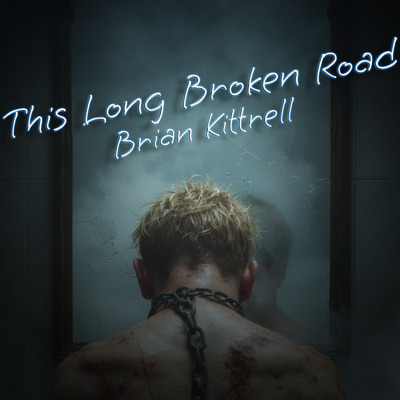
“AI brought me back to music—but it didn’t replace my voice. It led me back to it.”
Where I Landed: Liberation Without the Spotlight
I doubt I’ll ever perform at large venues. I’m still reserved. I’m still the guy who used to hide, and I still don't like a lot of attention. I'm not someone who ever expected to have fans; I'm not a superstar or a "music god". Singing makes me happy—whether anyone can hear it or not—and if it reaches out to others, it gives me a lot of joy.
Releasing an album in my own voice has been liberating—not because it made me someone else, but because it let me be in public what I’d been in private all along.
“One set of songs. Multiple voices. A single heart—finally out loud.”